 Free delivery on all ordersNo minimum spendShop & Split Your Payment with Tamara.Same day delivery within 2 hours (place your order before 9 PM)Safe and secure shoppingWe are a MOHAP approved online pharmacyWe deliver to Emirates of Dubai and Abu Dhabi.


Immunity vitamins and supplements are daily products containing nutrients and plant extracts the body uses to maintain normal immune function. Vitamins for immune system support include vitamin D, zinc, selenium and vitamin C, and the range extends to multivitamins, herbal extracts such as elderberry and echinacea, and food-based options including manuka honey and propolis. CHS Community Pharmacy is a MOHAP approved online pharmacy stocking 183 immunity products for adults and children.
Vitamins and minerals involved in immune function
Each nutrient plays a distinct role. Vitamin D regulates immune response and supports immune cell function. Zinc contributes to normal immune cell activity. Vitamin C acts as an antioxidant and supports white blood cell function. Selenium contributes to normal immune defence. Vitamin A supports the protective linings of the respiratory and digestive tracts. Vitamin E acts as an antioxidant, and the B vitamins including B6 and B12 contribute to normal white blood cell production.
Vitamin D deficiency in the UAE
Vitamin D deficiency is common in the UAE despite year-round sunshine, because indoor lifestyles, air-conditioned environments and sun protection all reduce the skin exposure the body needs to produce it. Vitamin D is the most searched deficiency concern in the country. Daily supplements are available in 1000 IU and higher strengths, and a blood test through a licensed clinic is the only way to confirm a deficiency.
Vitamin C and zinc combinations
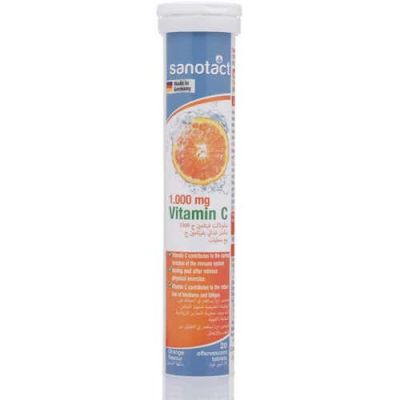
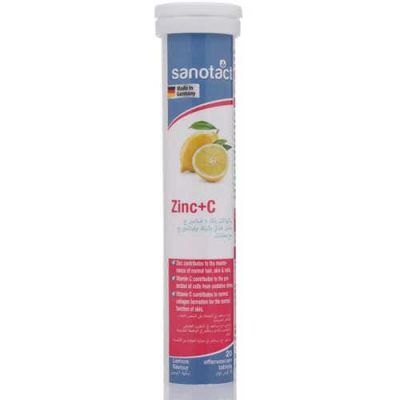
Vitamin C and zinc are commonly combined in one supplement because they support different parts of the same immune response. Combination products come as effervescent tablets, standard tablets and chewables, with vitamin C strengths at CHS ranging from 500mg to 1000mg.
Multivitamins and omega-3
Multivitamins deliver several immune-relevant nutrients in a single daily tablet, which suits anyone who would otherwise take three or four separate products. Omega-3 fish oil is stocked in the same range, though it is more commonly taken for heart and brain support than for immunity. Both are daily-use supplements rather than seasonal ones.
Herbal and food-based immune supplements
Herbal and food-based options sit alongside vitamins in this category. Elderberry is traditionally used during the cold season and is supplied as syrups, gummies and capsules. Echinacea has been studied in relation to upper respiratory health. Manuka honey is graded by its MGO or UMF rating, which indicates the concentration of its active compound. Royal jelly, bee pollen and propolis are bee-derived supplements taken for general daily nutritional support. Honey in any form should never be given to infants under twelve months.
Choosing a format
Format affects consistency more than potency. Tablets and capsules carry the highest dose per serving. Effervescent tablets dissolve in water and suit anyone who dislikes swallowing tablets. Gummies and chewables are the easiest to take daily and usually contain a lower dose per serving. Liquids and drops are used where a measured dose by age is needed. The best format is the one taken consistently.
Immune supplements for children
Immune supplements for children use lower nutrient doses matched to age bands, supplied as chewable tablets, gummies, syrups and drops rather than adult-strength tablets. Each label states the age range it is intended for, and that range should be followed rather than adjusted.
Choosing an immune supplement
A balanced diet covers most nutrient needs, and supplements fill genuine gaps rather than replacing food. Fat-soluble vitamins including vitamin D and vitamin E accumulate in the body, so exceeding the label dose carries real risk. Speak to a CHS pharmacist on 800979 before choosing vitamins for immune system support if you take prescription medicines, are pregnant, or have a diagnosed condition.

-

-
-
25% OFF
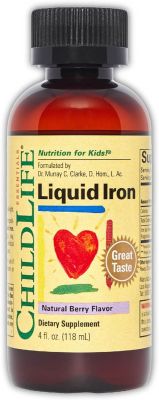
Childlife Liquid Iron 4 Fl Oz (118 ml)
- Childlife
- 118 ml
Special Price AED 78.00 Regular Price AED 104.00
 Filter by
X